
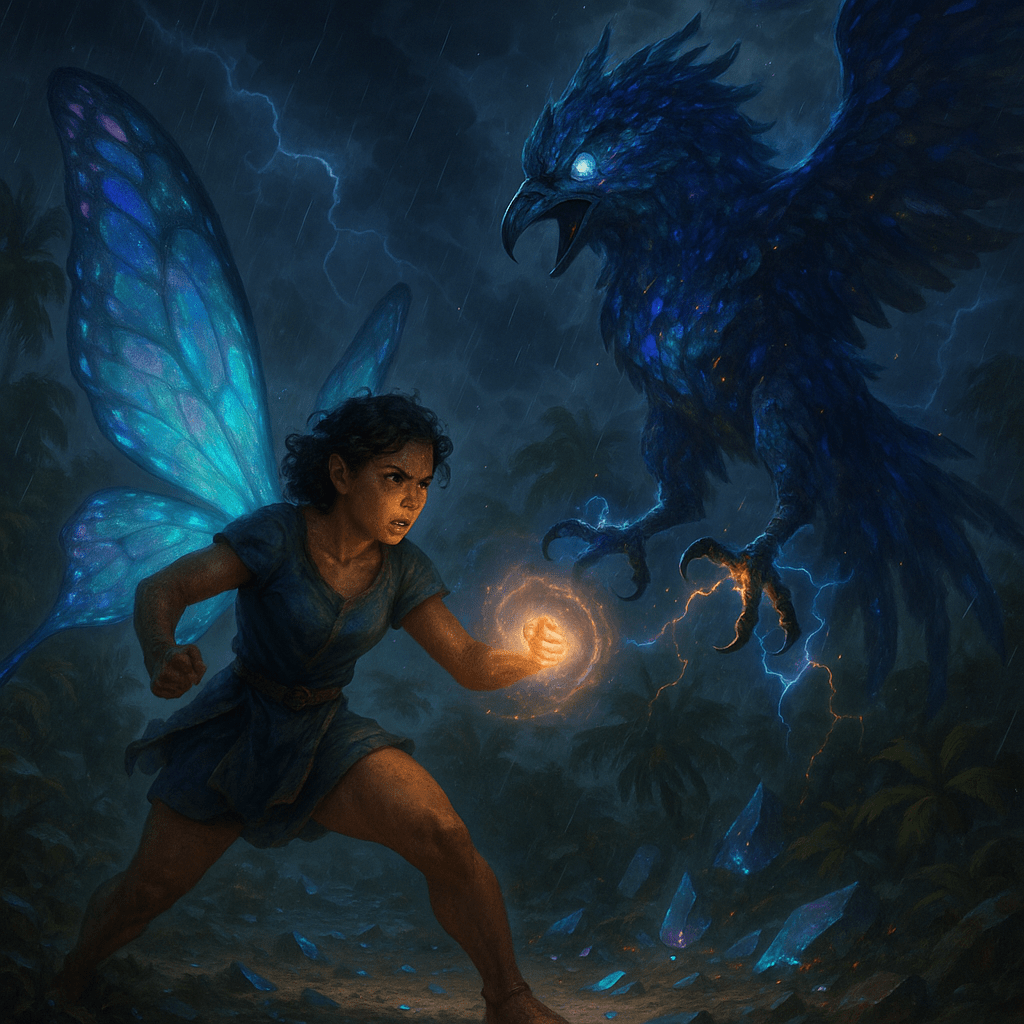
In the world of The University of Bellowing Seas, power does not come from divine right or bloodlines alone. It comes from the earth—buried deep, humming with elemental intention, and waiting to be honed and molded to a purpose.
Crystals are more than tools. They are the pulse of the land itself. And for those who can harness them, they offer strength, longevity, and sometimes madness.
But not everyone is strong enough to handle raw unrefined crystals
What are Mana Crystals?
Mana crystals are naturally occurring formations that concentrate ambient magical energy—raw mana—into dense, elemental cores. Formed under immense pressure over centuries, they manifest in a spectrum of colors, each aligned with a different magical affinity: flame, water, earth, air, shadow, light, and the rarest of all, pure mana.
Each crystal is alive in its own way—radiating frequencies only mages can feel, resonating with the body like a second pulse. They are incredibly potent and dangerously unstable. Mishandling even a low-grade crystal can cause “mana poisoning”—a slow degradation of the body and mind, eventually leading to death.
The stronger the crystal, the higher the internal mana threshold needed to touch, carry, or use it.
Categories of Crystals
➤ Elemental Crystals: Most common. Aligned with the base elements. Used in combat, crafting, and practical spells.
➤ Attuned Crystals: Subtler and rarer. These include crystals tied to emotions, memory, language, or healing.
➤ Hybrid Crystals: Formed where two or more magical biomes collide. Unpredictable. Extremely dangerous. Often banned.
➤ Pure Mana Crystals: White-hot. Almost sentient. Only the most gifted mages can wield them—and many do not survive the attempt.
Each crystal is tested, classified, and recorded in the Arcane Index. Students are expected to memorize over two hundred types by the end of their first year. Touching the wrong one without shielding can rupture the soul.
Politics of Power
In theory, crystals belong to the land. In practice, they belong to the University.
Over the past two centuries, the University of Bellowing Seas has quietly—but decisively—cornered the crystal trade. Through early expeditions, deep magical research, and tight control of the outer island shipping routes, the University now manages nearly 80% of the known crystal flow across continents. It’s not just a place of learning. It’s a geopolitical force.
Regional powers who want reliable access to raw mana must play nice with the University. For some, that means trade agreements. For others, it means something closer to servitude.
Take the Pixy Royalty of the North: once self-sufficient thanks to their ancestral mines and natural mana affinity, they now provide ships to the University’s crystal fleet in exchange for discounted rates on new crystals and scheduled maintenance on older, ones. The arrangement may seem diplomatic on paper—but in reality, it reflects how the University has turned magical infrastructure into economic leverage.
Villages, kingdoms, and even foreign academies depend on the University’s shipping lanes for access to refined crystals, identification services, and mana-safe transport. Without them, raw crystals decay into useless stone, or worse, explode.
The message is simple: align with the University, or risk magical scarcity.
For students, this reality trickles down as privilege and pressure. Those with political connections—children of emissaries, dukes, or elite mage lines—often enjoy easier access to crystal testing, safer trial environments, and first pick at the rarest specimens. The rest are left to compete for the scraps—and hope their mana thresholds are high enough to survive the testing grounds.
 Faye Frossiart
Leave a comment